
Allied health in ECEC: why collaboration, capacity building and outreach matter
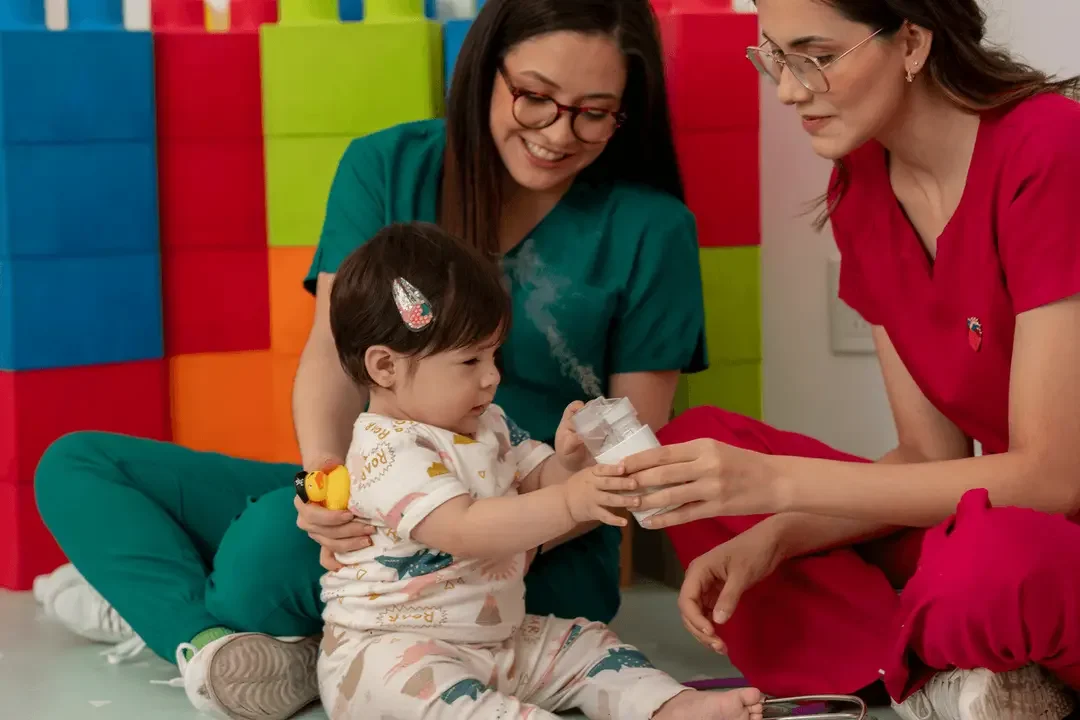
Across Australia, more children than ever are accessing allied health support in the early years. Speech Pathologists, Occupational Therapists, Psychologists, Developmental Educators and Psychosocial Therapists are becoming increasingly present within Early Childhood Education and Care (ECEC) settings, not only through NDIS-funded early intervention, but also through various state-funded initiatives and inclusion-focused models.
At the same time, educators are navigating increasingly complex developmental, behavioural and emotional needs within care environments. In many services, allied health and ECEC professionals are now working side-by-side in ways that were far less common even a decade ago.
Importantly, collaboration between educators and allied health professionals is no longer becoming an “extra” part of the role. Increasingly, it is becoming an essential component of high quality early childhood practice and early intervention.
But as the sector evolves, an important question emerges:
What does meaningful collaboration between allied health and educators actually look like?
Moving Beyond Clinic-Based Models
Historically, therapy often occurred in clinic settings, separate from the environments where children spend most of their time. Increasingly, however, research supports the value of intervention occurring within children’s everyday environments and routines.
This is one of the reasons outreach models are widely considered best practice within the early intervention space.
When support occurs within familiar environments such as early learning services, homes and schools, children are often more comfortable, more regulated and more able to engage authentically. Practitioners are also better able to observe children in context, rather than within a highly structured clinical setting where children may mask challenges or present differently than they do in everyday life.
Working within natural routines also supports the generalisation of skills. Children are not simply practising skills during a single therapy session each week. Strategies can instead become embedded throughout the child’s day by the adults who support them most consistently.
Outreach models can also increase accessibility for families by reducing barriers associated with transport, waitlists and attending multiple appointments across different settings.
Perhaps most importantly, however, outreach creates greater opportunities for collaboration and capacity building with the adults surrounding the child.
The National Best Practice guidelines for Early Childhood Intervention (2nd edition) continue to highlight the importance of building the capacity of caregivers and educators, rather than relying solely on direct therapist-child intervention.
Similarly, a recent qualitative pilot study by Alexis Bedard and Lisa Fyffe titled “It Changed My Perspective”: Embedding Occupational Therapy Within an Early Childhood Education Centre Provides Inclusive Developmental Support and Access to Early Intervention strongly reflects what many services are now observing across the sector.
In the study, an Occupational Therapist was embedded within an ECEC service over a 10-week period, working alongside educators, children and families within everyday routines. Prior to the intervention, only four children were accessing early intervention supports. During the trial, that number increased to twenty-six children identified as needing support.
The findings highlighted the importance of early identification, collaborative practice and educator capacity building within ECEC settings.
What Collaboration Looks Like in Practice
At Connect.Ed, our Early Intervention team facilitates both NDIS-funded outreach therapy and group therapy programs within ECEC services funded through Preschool Boost in South Australia via the Office for Early Childhood Development.
One of the strongest observations from this work has been the impact of working alongside educators in real time, rather than separately from them.
Direct therapy with children remains important. However, some of the most meaningful outcomes often emerge through collaborative conversations with educators and caregivers.
A therapist may spend one hour per week or fortnight with a child, while educators and caregivers are supporting that child across the rest of the week through transitions, peer interactions, mealtimes, emotional regulation, group routines, communication breakdowns, moments of stress and everyday opportunities for connection and learning.
Because of this, capacity building cannot be viewed as an “extra” component of therapy. It is a core part of effective early intervention.
Within ECEC settings, capacity building may involve modelling strategies during everyday routines, reflecting alongside educators about children’s behaviour and development, adapting environments, supporting communication accessibility, exploring sensory needs, and helping educators understand not only what strategies may help, but why they help and how they can realistically continue implementing them throughout the week using the resources already available to them.
During these reflective conversations, allied health practitioners may support educators to view children’s behaviour through a different lens. Rather than focusing only on behaviour itself, discussions may explore communication, regulation, developmental differences, sensory processing, environmental demands and unmet needs.
Importantly, this work must occur in partnership with educators, not in a way that positions allied health professionals as the sole experts.
Educators bring deep knowledge of the children in their care, including their relationships, routines, strengths, triggers, interests and patterns across the day. Effective collaboration values this expertise and combines it with discipline-specific knowledge to create more responsive and supportive environments for children.
The goal is not for allied health professionals to “fix” children. Rather, it is about working together to better understand children, reduce barriers to participation and strengthen the environments and relationships surrounding them.
Earlier Identification and Clearer Referral Pathways
One particularly powerful outcome of embedded allied health models within ECEC settings is earlier identification and clearer pathways to support.
Through group therapy programs, allied health practitioners are often engaging in reflective conversations with educators about development, communication, regulation, sensory processing and participation. These conversations can support educators to recognise when a child may benefit from additional assessment or ongoing support.
Importantly, this does not mean educators are expected to diagnose children or take on the role of therapists. Instead, it supports educators to feel more confident raising observations with families and understanding referral pathways when concerns arise.
As a result of these collaborative approaches, educators may feel better equipped to have supportive conversations with caregivers, share observations and help families navigate pathways to additional support where appropriate.
Within our own Preschool Boost work, we have already seen children access funded ongoing one-to-one therapy within their ECEC environments following these collaborative conversations and referral pathways. In many cases, these children may not have otherwise been identified or connected with support until much later.
This reflects what the research is increasingly showing: when allied health professionals are embedded within children’s everyday environments and work collaboratively with educators and families, opportunities for earlier identification and intervention increase significantly.
Looking Ahead
As the needs of children and families continue to evolve, collaboration between allied health professionals, educators and caregivers will become increasingly important across the early years sector.
The most effective early intervention does not occur in isolation. It occurs when the adults surrounding a child are connected, supported and working together.
Therapy is not only about what happens during a scheduled session.
It is about what happens across the rest of the child’s week within homes, early learning environments and everyday relationships where children learn, connect and grow.