

❋
Speech Pathology for Children
Helping children communicate, connect and participate with confidence.
Connect.Ed provides outreach Speech Pathology for infants, children and their families. Our Speech Pathologists work alongside children within their everyday environments, supporting communication, relationships and participation at home, childcare, school and via telehealth.
What is Speech Pathology?
Communication is about so much more than talking.
It is how children express their needs, build relationships, learn new skills, share ideas and participate in everyday life.
Speech Pathologists support children to communicate in the ways that work best for them.
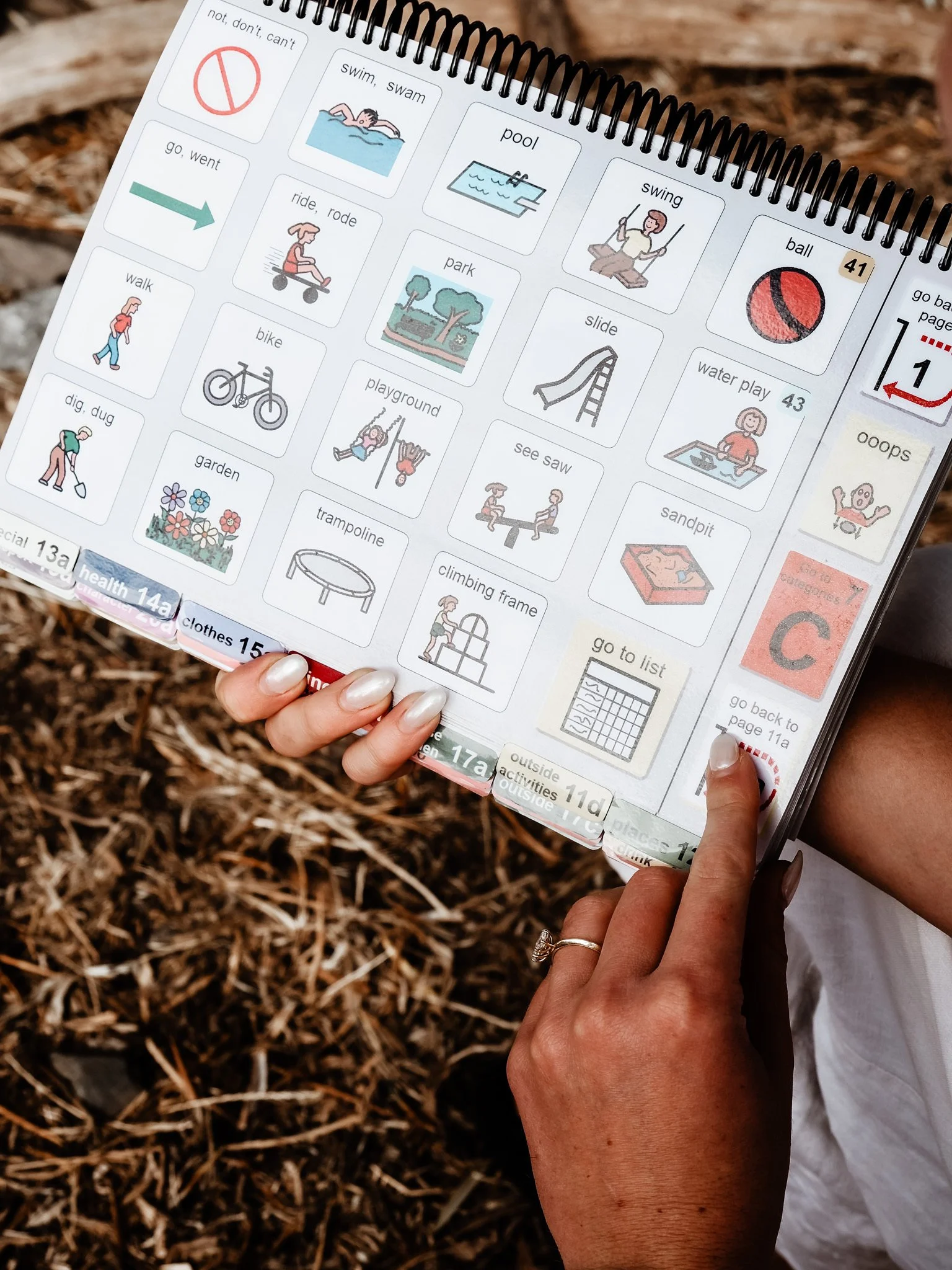
For some children, that means developing clearer speech. For others, it may involve building language skills, supporting social communication, introducing augmentative and alternative communication (AAC), or helping make mealtimes safer and more enjoyable.
Whatever a child's communication journey looks like, our goal is to help them participate confidently in the world around them.
What Can a Speech Pathologist Help With?
Children may benefit from Speech Pathology support in areas such as:
Speech
Supporting children to develop clearer speech so they can be more easily understood by others.
Language
Helping children understand language, express their ideas and build vocabulary for everyday communication.
Social Communication
Supporting children to build the skills needed for conversations, friendships, turn-taking and shared interactions.
Early Literacy
Developing the communication skills that form the foundation for reading, writing and learning.
Augmentative and Alternative Communication (AAC)
Supporting children to communicate using a range of methods, including speech-generating devices, communication boards, signs and other visual supports.
Fluency
Helping children who experience stuttering or disruptions to the flow of speech communicate with confidence.
Feeding and Mealtimes
Supporting children who experience challenges with eating, drinking or mealtime participation.
Our Approach
Every child communicates differently.
We take the time to understand each child's strengths, interests and communication style before developing goals that are meaningful for the child and their family.
Support extends beyond the appointment itself.
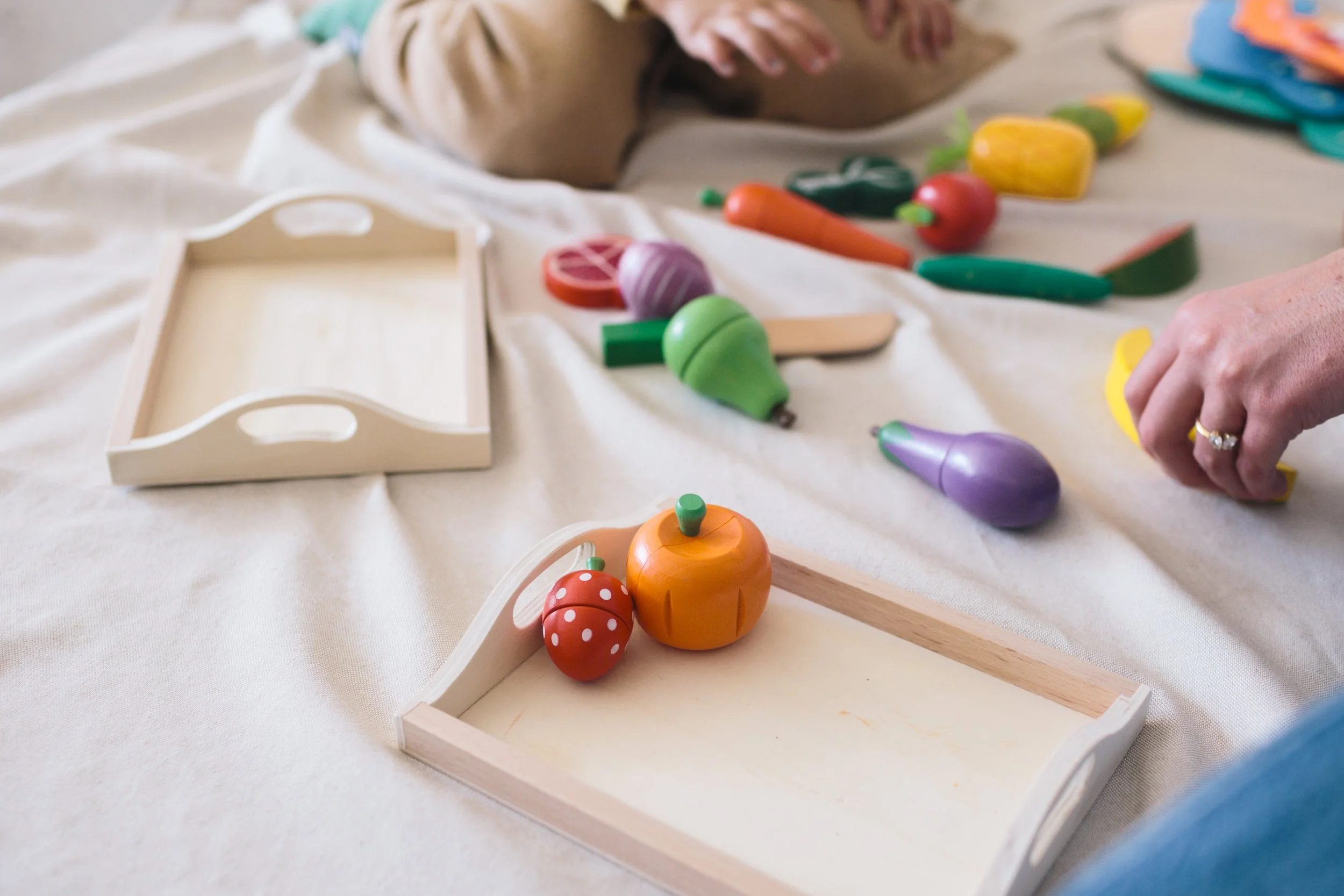
By working alongside families and educators, we help create communication opportunities throughout everyday routines, play and learning experiences.
What Does Support Look Like?
Support may include:
appointments
coaching
coaching
coaching
observations
development
regulation support
setting
recommendations
and resources
Every child's support plan is individualised to reflect their goals, strengths and everyday environments.
Frequently Asked Questions
-
No.
Speech Pathologists support children across many stages of communication development, including children who communicate using gestures, signs, AAC or other forms of communication.
-
Absolutely.
Communication develops throughout everyday interactions, so working alongside educators is an important part of our outreach model.
-
Yes.
Our Speech Pathologists have experience supporting children who communicate using a variety of AAC systems and strategies.
-
Yes.
Where appropriate, our Speech Pathologists provide assessment and support for children experiencing feeding and mealtime challenges.
-
Appointments are available in homes, childcare settings, schools and via telehealth where appropriate.
Looking for Speech Pathology?
Complete our referral form and we'll help you find the right support for your child.